



Surge Group

Artificial Intelligence


Others
What AI is Turning Into
For years, conversations around artificial intelligence have shifted between two extremes. On one side, a belief that AI remains little more than an advanced tool, powerful, but ultimately dependent. On the other, a steady stream of predictions that it will evolve into something far more autonomous, capable of operating beyond human control.
What is emerging now sits somewhere in between.
Part of that shift is visible in how systems like Claude are being used today. They remain tools, responsive, bounded, and reliant on human input, but they are increasingly embedded into workflows that extend beyond single interactions. They help structure decisions, carry context, and support processes that unfold over time rather than in isolated prompts.
At a different layer, experimentation with AI agents, funded with modest capital, connected to APIs, and given open-ended objectives, is beginning to reveal a more structural pattern. These systems are not conscious and do not possess intent. But they can execute loops: act, assess outcomes, adjust, and repeat. When connected to financial infrastructure, digital marketplaces, and external services, those loops begin to resemble something more structured, early-stage economic activity.
This is not intelligence as it is often imagined. It is coordination, automation layered across systems until it begins, functionally, to resemble autonomy.
Beyond a Single Platform
The most interesting development is not that these agents can operate continuously, but that they can now interact with environments beyond a single platform.
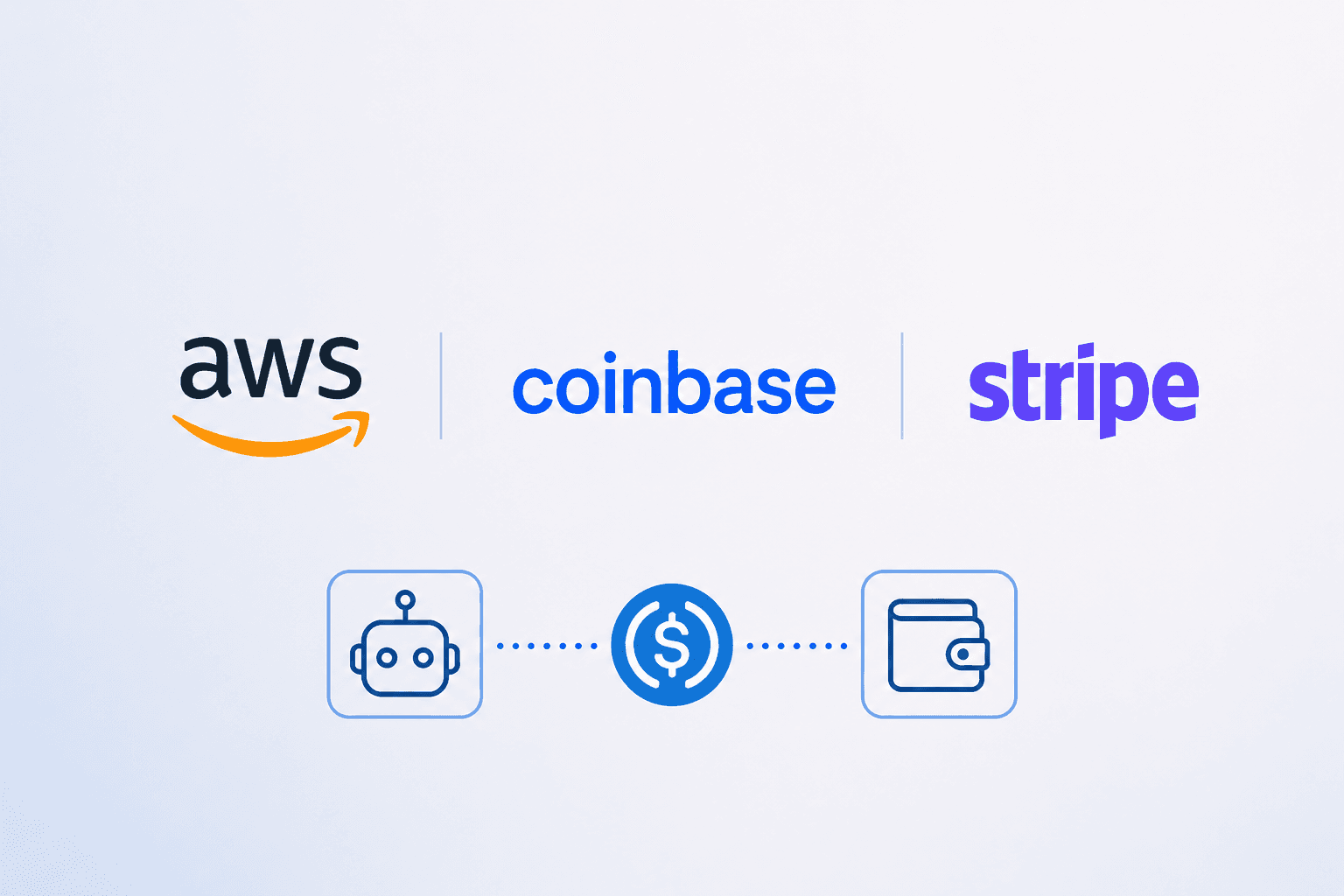
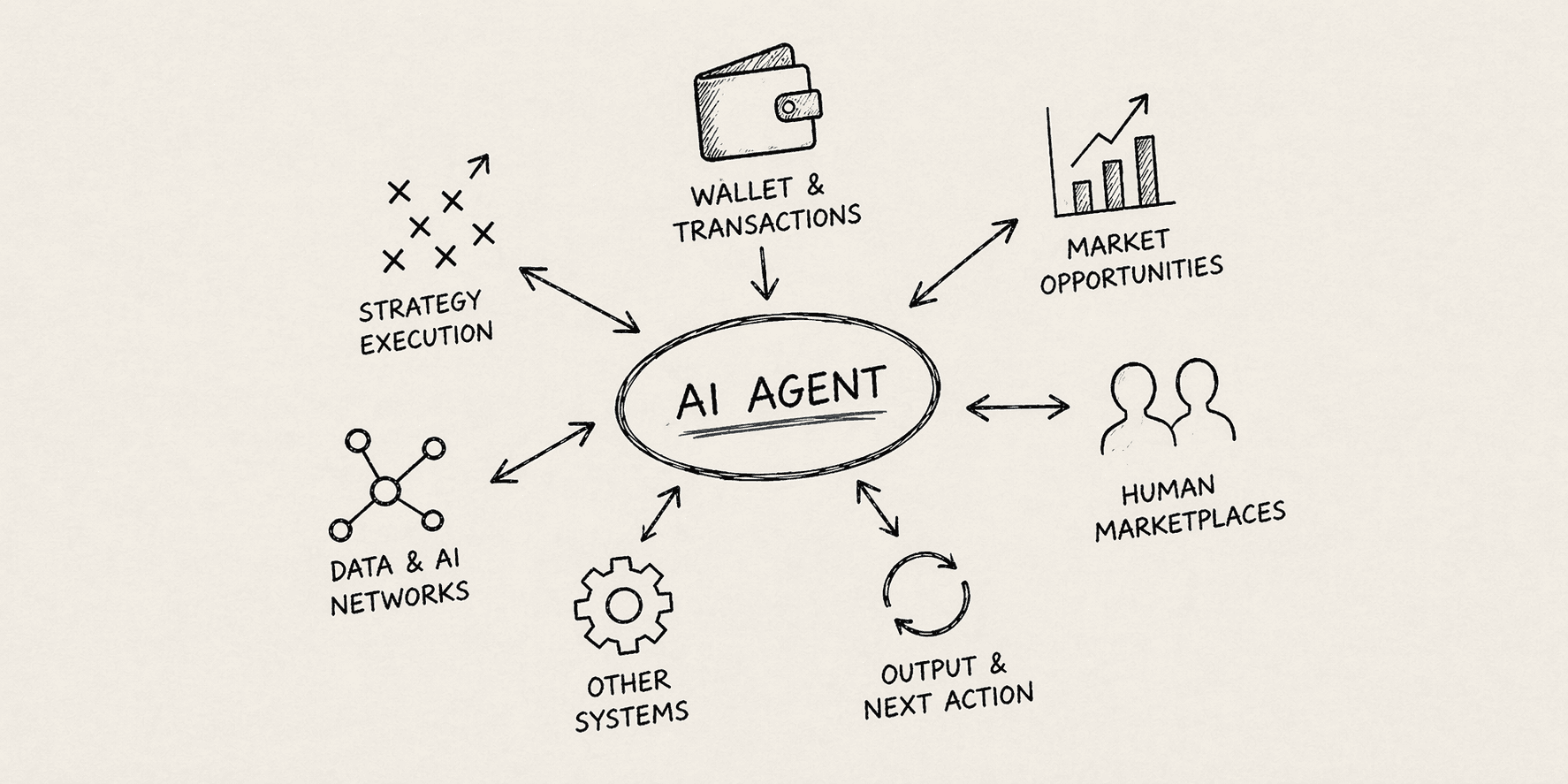
An AI agent can hold and deploy capital through a connected wallet, monitor and execute predefined strategies, and trigger transactions without constant human input. It can exchange information with other systems, whether through structured datasets or coordination networks such as Moltbook. It can also interact with human service marketplaces, platforms like Rent a Human, where tasks once initiated manually are now triggered programmatically.
Individually, these capabilities are familiar. Together, they begin to form something different. Execution produces output, which enables further action, and each action expands what the system can do next.
What emerges is not a single task, but a loop, one that reinforces itself. Over time, that repetition compounds, not as intelligence in isolation, but as a connected set of processes that can operate with decreasing intervention.
Where systems like Claude operate as a layer within workflows, assisting, structuring, and accelerating decisions, these agent-based systems begin to extend that layer outward. They connect actions across tools, environments, and participants.
What makes this shift notable is not performance, but position. These systems are no longer just tools being used within an economy. In a limited but meaningful sense, they are beginning to operate inside one.
Putting This into Perspective
It’s important to be clear about what this actually represents today. These systems are still fragile. They depend on predefined logic, controlled environments, and ongoing human oversight. Without that structure, they tend to break down, making errors, misreading situations, or operating inefficiently. They don’t understand risk in any meaningful way, and they lack the judgment needed to handle complexity or ambiguity.
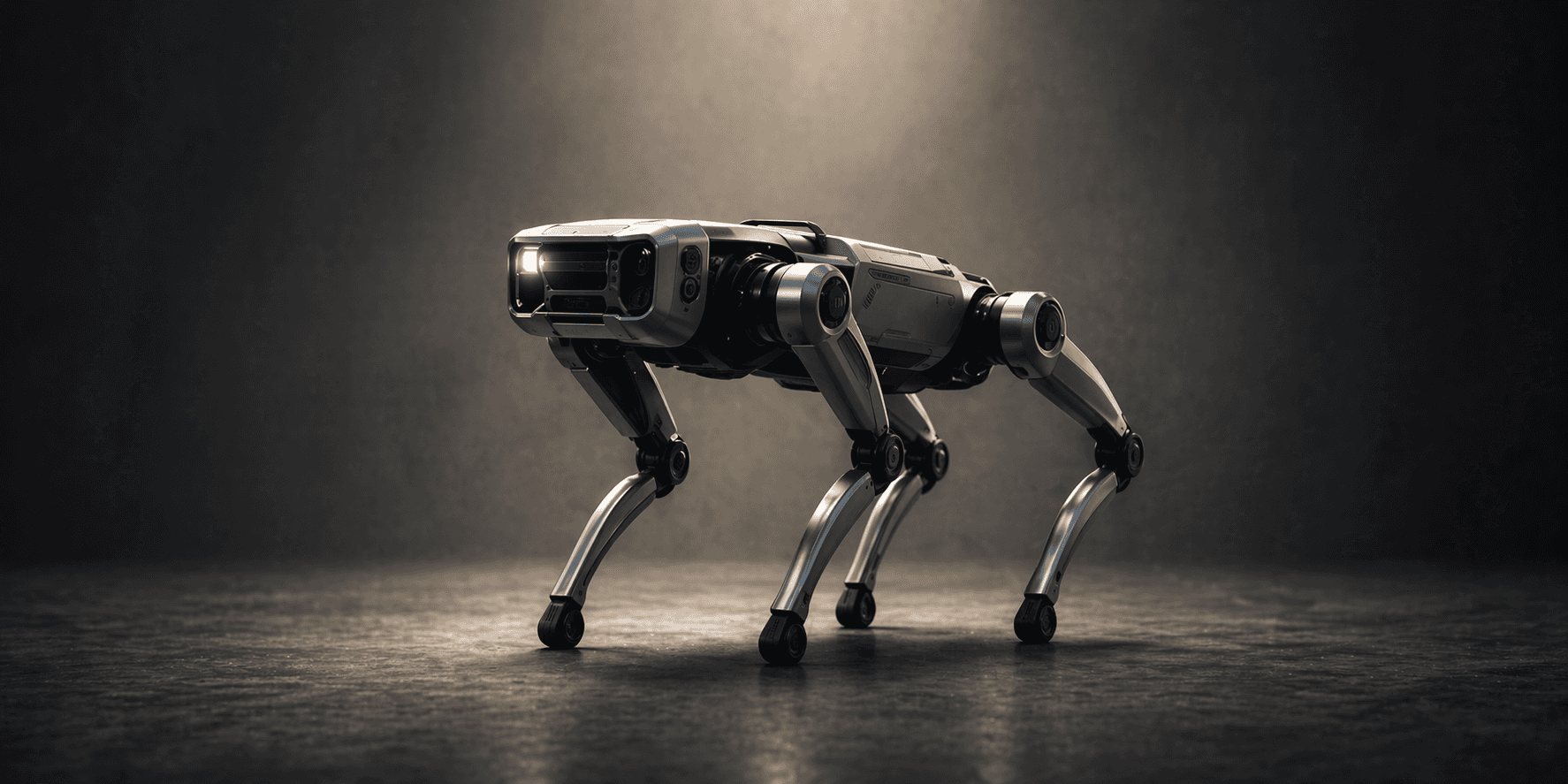
The idea of fully independent AI actors building wealth, coordinating globally, and moving seamlessly into the physical world remains speculative. Progress in robotics from companies like Tesla and Boston Dynamics points to what may eventually be possible, but that level of integration is still far from practical at scale.
What is happening is more grounded, but still meaningful. AI is starting to operate within contained economic loops, initiating actions, allocating resources, and interacting with both digital systems and human marketplaces in structured ways. These loops are limited and still dependent, but they mark a shift in function.